




Guide
Pace of Lessons
Plan the pace of Jolly Phonics lessons with guidance on routines, consolidation, assessment and adapting to your class.
Lesson Pacing Strategies
Keeping your pupils on track for success

Adapting to Your Setting
The pace of Jolly Phonics lessons will vary depending on the educational environment. Schools with a high population of EAL learners, bilingual or international schools, SEND settings, or after-school language centres will all experience different challenges. Some may deliver English instruction daily, others only a few times per week.
As teachers become familiar with the programme and observe how their pupils learn, they will find the right pace and determine how many letter sounds can realistically be taught each week.
This may mean that the teaching has to be done over two years rather than one, especially if language development and vocabulary is required when English is not familiar. Some schools may wish to start when children are younger than 4 or 5 years old, which can be beneficial as they find it easier to pick up languages then. This can be done in short sessions over a longer period of time.
Consider Different Classroom Contexts
Looking for practical ideas to support pupils?
Simple, hands-on activities you can use right away to build confidence, boost skills, and keep learning engaging.
Suggested Steps for Pacing Success
Step 1
Establish a Strong Start
- Aim to teach one letter sound per day.
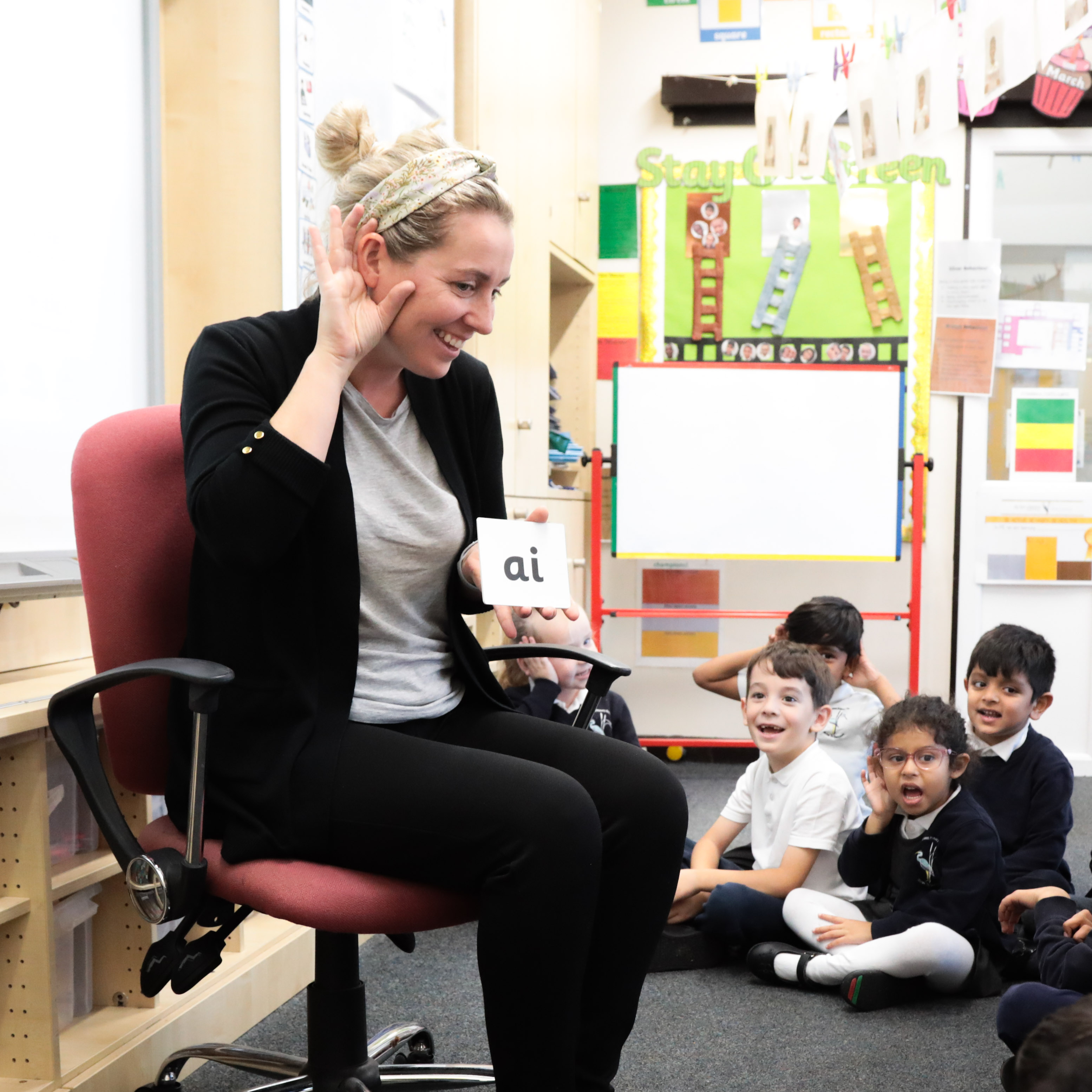
- Aim for the children to master the basic skills being taught in each lesson. Use engaging routines with actions, stories, flashcards and songs to increase interest and secure early success.
- When a new letter sound is taught, try to revise it during the day, e.g. before going out to play, after lunch and at home time.
- As soon as the first few letter sounds are known, start blending words made from them. Some children will be able to hear the words when the sounds are said immediately, others will take more time. Consistent practice is the key to developing this skill.
- Identify any children who are struggling to blend words easily and have an extra session with them while the others do their worksheet.
Step 2
Consolidate Regularly
- Every day, or whenever possible, provide regular revision of the letter sounds and basic skills that have been taught.
- Check the children know the letter sounds after each group has been taught. If necessary, allow a lesson for extra revision and consolidation of letter sounds, letter formation, blending words, segmenting and writing words and sentences from dictation.
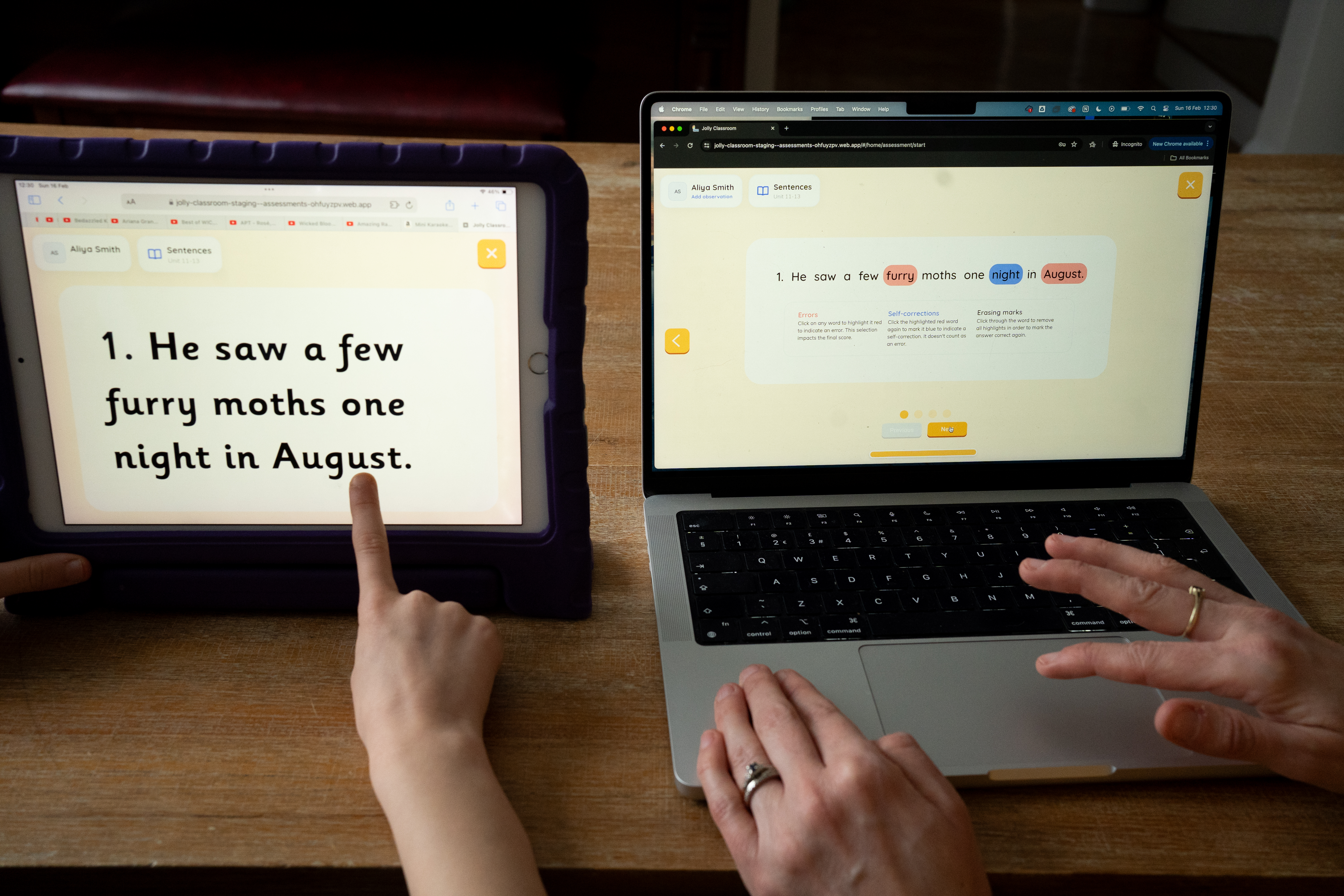
- Use Jolly Phonics assessment tools to check on progress before continuing.
Step 3
Adapt as You Go
- Look out for signs that a group or an individual needs reinforcement. Build in extra practice for them.
- If it is the majority of the class then take a little time to consolidate and ensure they know most of the letter sounds before continuing.
Step 4
Plan for Balance Across the Week
- Combine direct teaching with independent practice (our pupil books are a great resource for this), revision and creative activities.
- Leave space for catch-up or extension as needed.
- End the week with light-touch assessment, review, or enrichment activities.
Step 5
Focus on Progress, Not Speed
- Depth of understanding matters more than racing through content, but remember the letter sounds cannot be used until they have been taught.
- Encourage steady progress at a pace that keeps learners moving forward. With five lessons a week, most children are well able to keep up with our recommendations.
- Celebrate success along the way to keep morale and motivation high.
Step 6
Use Assessment to Guide Your Journey
- Regularly check understanding through observation, quick checks and our digital Jolly Phonics assessment tool.
- Use results to identify who needs extra practice.